


Pickup


Stuur terug.
🎁 Gebruik code WELCOME3 tijdens het afrekenen om korting te krijgen op je eerste boeking bij ons. Veel plezier! ☀️

Auto huren in Thailand is de natuurlijke manier om hier weken lang verder te komen dan het strand naast het hotel. De meeste Nederlandse reizigers komen voor een langer verblijf — winterontsnapping van november tot maart, vakantie van twee of drie weken, road trip met vrienden over de eilanden. Met een auto zie je veel meer — Thailand is te groot om je tot één plek te beperken.
Vanuit Nederland vliegt KLM dagelijks rechtstreeks Amsterdam (AMS) — Bangkok (BKK) met de Boeing 787 of 777, ongeveer 11 uur. Ook EVA Air en China Airlines bedienen Amsterdam, en via Doha (Qatar Airways), Frankfurt (Lufthansa) of Istanbul (Turkish) zijn er talloze overstappen. In de winter organiseren Corendon, TUI Nederland, Sunweb en De Jong Intra Vakanties charters naar Phuket (HKT). Nederlandse staatsburgers krijgen 60 dagen visumvrij (stempel bij aankomst, sinds 2024). Het Nederlandse rijbewijs met Latijnse letters wordt door onze partners zonder problemen geaccepteerd.
Een stel uit Utrecht vloog in februari KLM naar Bangkok. Bij Suvarnabhumi stond de partner met een bordje klaar — vijf minuten later reden ze al richting Hua Hin, terwijl andere reizigers nog op de shuttlebus stonden te wachten.
TakeCars werkt op vier belangrijke locaties: Bangkok, Pattaya, Phuket en Koh Samui. Overal — geverifieerde lokale partners, transparante voorwaarden, borg contant of met kaart, en levering rechtstreeks naar de terminal. De meeste klanten halen de auto direct op het vliegveld op en gaan op pad om te ontspannen; een paar weken later leveren ze in op dezelfde plek, zonder extra logistiek.
Prijzen en seizoenen
De huurprijs hangt af van twee factoren: model en duur. Economy-klasse (Toyota Yaris, Honda City, Nissan Note, Mitsubishi Mirage) begint bij $21 (~19 €) per dag in het laagseizoen; in het hoogseizoen (november–februari) kost dezelfde auto $24–27. SUV's en zevenpersoons Toyota Veloz of Mitsubishi Pajero — van $57 in laag tot $71 in hoogseizoen.
De duur is de belangrijkste hefboom voor besparing. Een auto die in een weekboeking $30 per dag kost, komt op ongeveer $21–22 over 25–30 dagen. De meeste klanten boeken voor drie weken of langer — de hele tariefstructuur is gebouwd op langdurige huur, wat past bij Nederlandse winterreizigers.
Een gepensioneerd stel uit Rotterdam huurde in november een Honda City voor 35 dagen tegen $22 per dag. Goedkoper dan twee weken Spanje in juli, brandstof inbegrepen.
Seizoensgevoeligheid werkt ook andersom. Van 25 december tot 25 januari is super-piek: zelfs bij partners met 2 500 auto's heb je 1–2 maanden voorsprong nodig. Laagseizoen mei tot oktober — vochtig en regen, maar prijzen 30–40% lager en het land bijna leeg.
Een gezin uit Amsterdam reserveerde op 12 december voor een vlucht op 23 december. Geen enkele zevenpersoons meer beschikbaar op heel Phuket. Het werden twee economy-auto's en een logistieke puzzel voor elke uitstap.
In mei of juni kun je rustig aankomen en ter plaatse regelen. In februari beter een bevestigde reservering vóór je het ticket koopt.
De meeste toeristen in Thailand beginnen hun reis hier
Waar ophalen en waar naartoe
Meestal wordt de auto op het vliegveld opgehaald: Suvarnabhumi (BKK) en Don Mueang (DMK) in Bangkok, Phuket International (HKT) en Samui (USM, een van de mooiste terminals van het land).
In Bangkok hebben we ongeveer 40 modellen. De meesten nemen de auto om de stad uit te gaan: in het centrum zijn BTS en Grab sneller dan de file. Op weg naar Pattaya, Hua Hin of Kanchanaburi is de auto onmisbaar.
Een stel uit Den Haag haalde om 22:00 een Toyota Yaris op bij Don Mueang. Om één uur 's nachts zaten ze in Hua Hin. Grab zou drie keer zo duur zijn geweest — en op dat uur stond er niemand klaar.
Op Phuket: ongeveer 35 auto's. Een van de favoriete winterbestemmingen voor Nederlanders en de auto is hier geen toeristische optie, maar dagelijks leven. Op Koh Samui, 21 modellen. Toyota Yaris Ativ, Mitsubishi Attrage en Honda Brio zijn de werkpaarden — in een dag rijd je over de ringweg het hele eiland rond.
Samui met de auto is een ander verhaal. Rondje eiland, halte bij de Big Buddha, lunch in Bang Po en terug naar het strand voor zonsondergang. Met de tuk-tuk onmogelijk.
Pattaya is basis voor uitstapjes naar Ko Chang, Rayong en de stranden van Jomtien. De Bangkok–Pattaya-route is de enige tolweg in die richting (~$1–2 per tolpoort). Op Phuket rijden er nauwelijks bussen tussen de stranden, en hotellevering is bij onze partners meestal inbegrepen.

Toyota Yaris in Thailand
We namen de auto via takecars.com. Geweldige prijs voor een auto in uitstekende staat met volledige cascoverzekering, geen aanbetaling en geen creditcard. Ik betaalde 3% aanbetaling online in Moskou, de rest betaalde ik bij ontvangst van de auto op de luchthaven. Je kunt contant betalen, je kunt met een kaart betalen, waarschuw de jongens van tevoren, dan nemen ze de betalingstermiraal mee. We kregen de auto met een volle tank, wat zeer zeldzaam is in dit deel van de wereld, misschien hebben we geluk, maar van de Seychellen naar de Filippijnen is het de eerste keer, meestal geven ze je een lege tank en rijd je op gassen naar het dichtstbijzijnde benzinestation en bid je dat je niet opstaat. De auto werd teruggebracht op Phuket International Airport, maar ons vertrek was op de luchthaven voor binnenlandse vluchten en ze waren zo vriendelijk om ons naar de juiste terminal te brengen. Geweldige verhuurorganisatie, zou het iedereen aanraden, geweldige klantenservice!

Nissan Note in Thailand
Alles was zeer gunstig! De prijs was zeer goed in vergelijking met andere bedrijven! De auto was in normale staat ondanks de fout op het dashboard die was dichtgeplakt met duct tape en een lekke uitlaat 😂🤣😅 maar het had geen invloed op onze reis!!!!! Ik denk dat dit niet de laatste keer zal zijn dat ik me tot jullie wend!!!! Veel succes en nogmaals bedankt ☺️

Toyota Yaris Ativ in Thailand
Boekte de auto op vooruitbetaling, volledige betaling bij ontvangst. De auto was in goede technische staat, geen kilometerbeperking, we reden naar Phuket en terug, onderweg moesten we de remblokken vervangen, de eigenaar loste dit probleem snel op, alles was erg prettig, ik raad deze service aan, betrouwbaar bedrijf en aardige mensen. De huurprijs voor een maand was lager dan alle anderen en de auto gaf geen problemen. We kochten een verzekering, 100$ voor een maand. De borg kregen we ook terug voor 100$ toen we de auto terugbrachten. Bedankt voor de service en de betrouwbare auto

Toyota Vios in Thailand
Alles ging goed, alles was duidelijk! Bedankt!
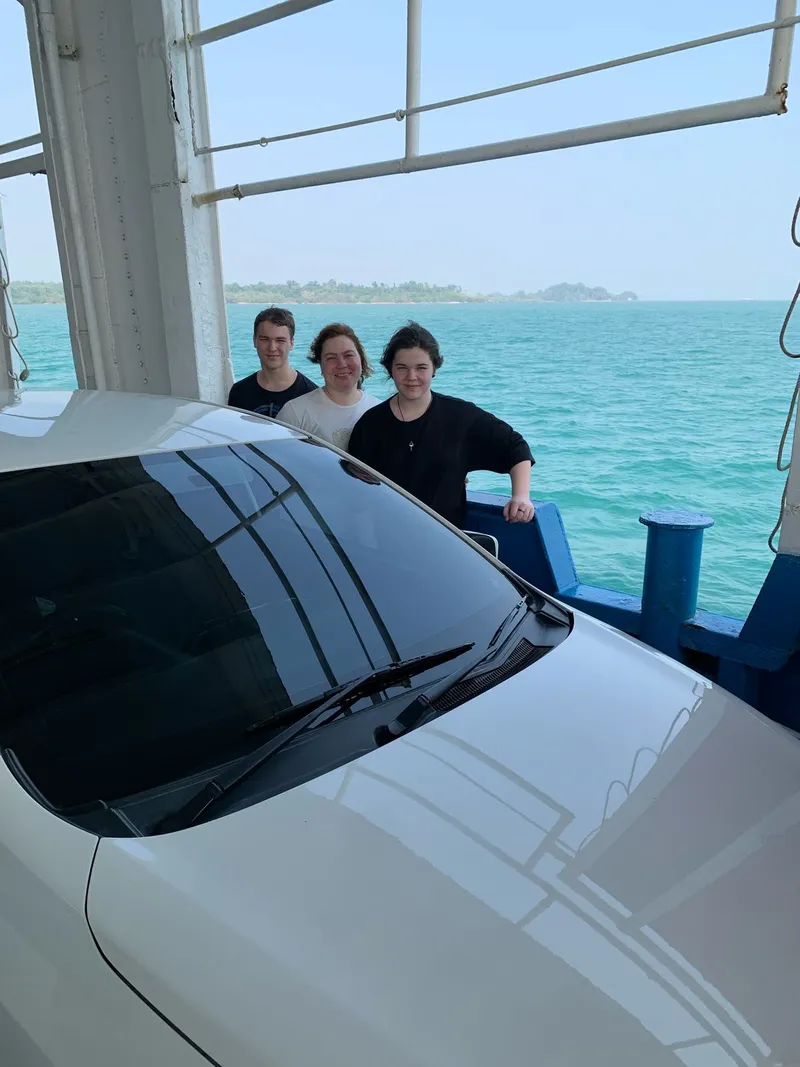
Nissan Note in Thailand
De huurauto was geweldig. De auto is in goede technische staat. De manager had altijd contact. Hielp met een snelle afhandeling van de verzekeringsclaim. We zullen het bedrijf aanbevelen.

MG 5/GT in Thailand
alles ging goed

Honda Jazz in Thailand
alles is in orde
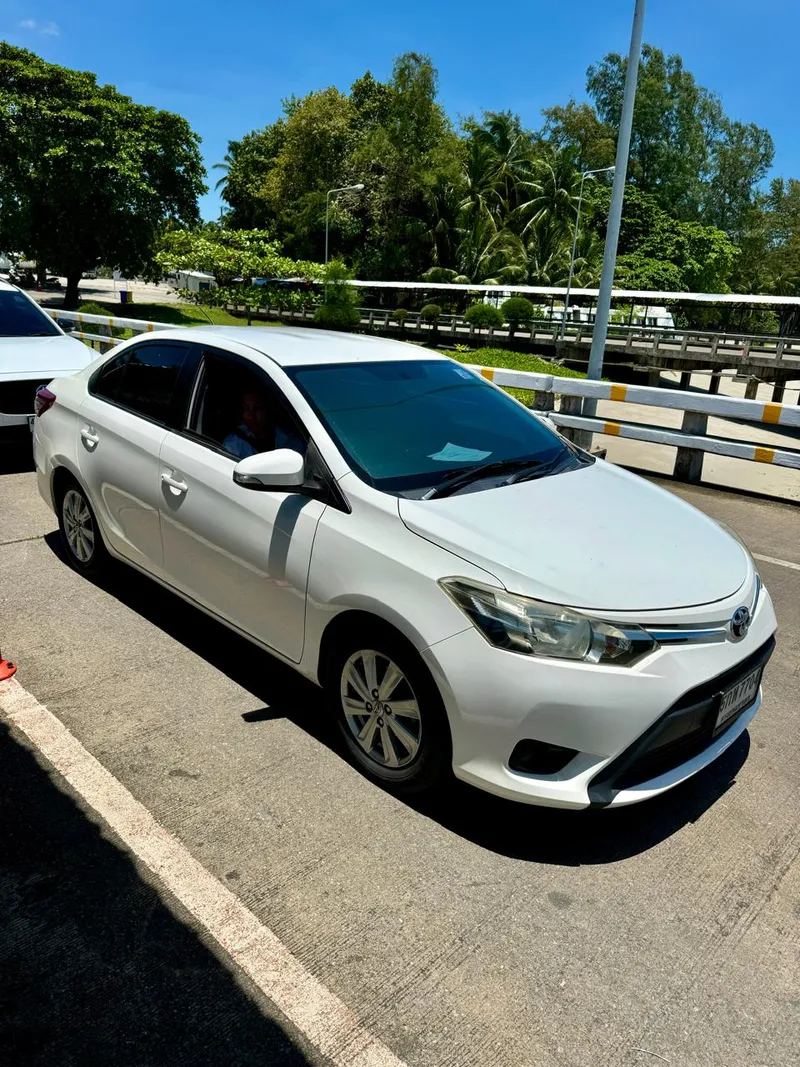
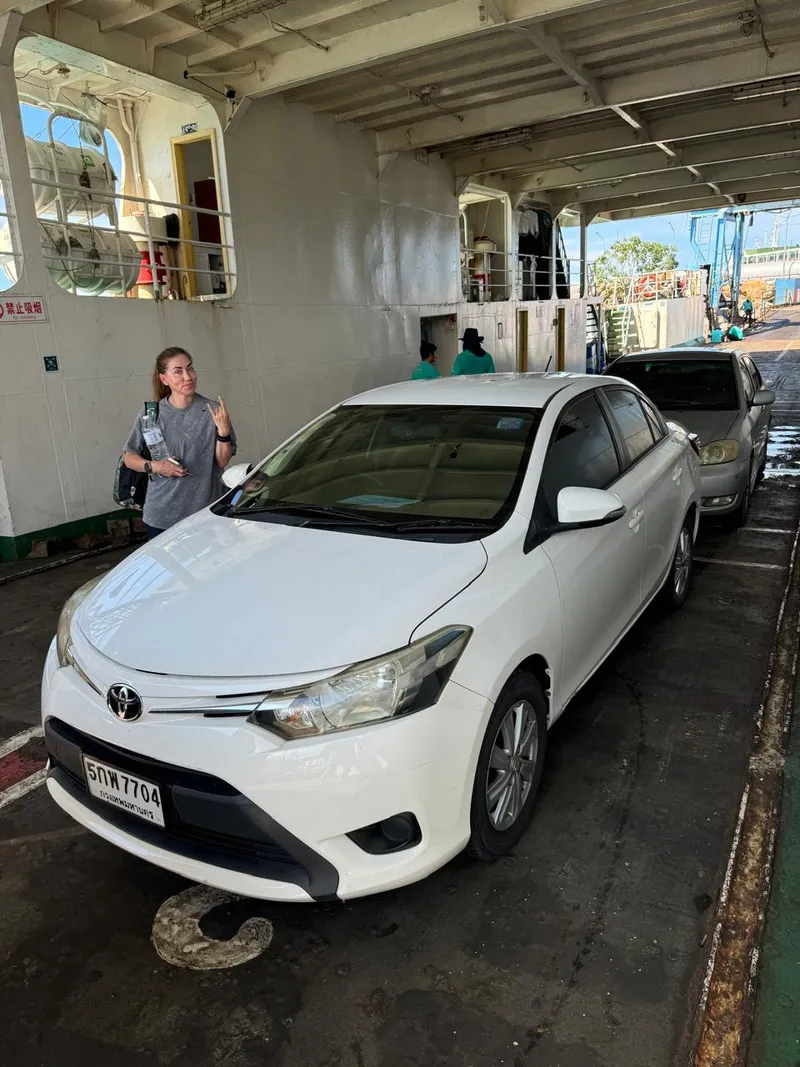

Toyota Yaris Ativ in Thailand
Alles verliep perfect. De auto was technisch in orde. De auto heeft me niet in de steek gelaten, ik heb er 2000 kilometer mee gereden. Alles ging perfect, de auto werd op tijd op het vliegveld afgeleverd. In Bangkok op tijd terug op mijn adres. Al met al alles uitstekend.
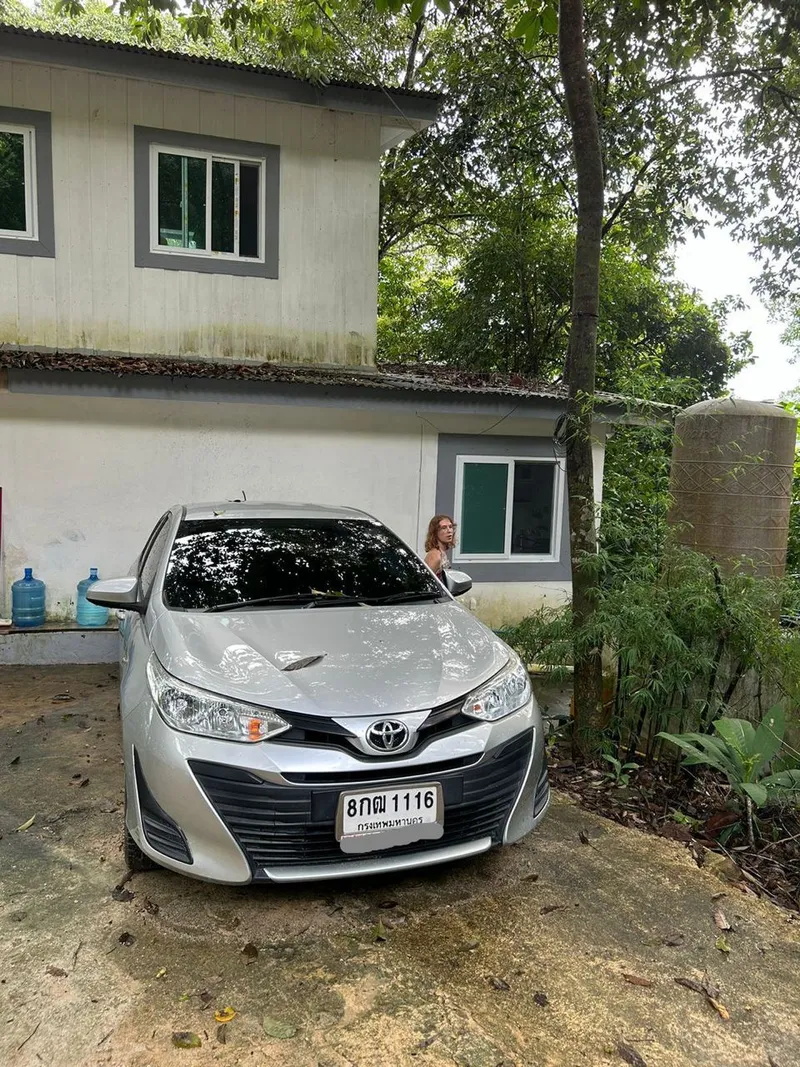
MG 5/GT in Thailand
Alles was geweldig, bedankt
Toyota Yaris Ativ in Thailand
Alles verliep prima. Ik werd opgewacht en opgehaald zoals afgesproken. Niets te melden
Honda City in Thailand
Ik kreeg geen Honda, dus nam ik een Toyota Corolla met bijbetaling (op eigen initiatief). Alles ging prima, geen opmerkingen
Toyota Yaris Ativ in Thailand
Het ging goed.
Honda Civic in Thailand
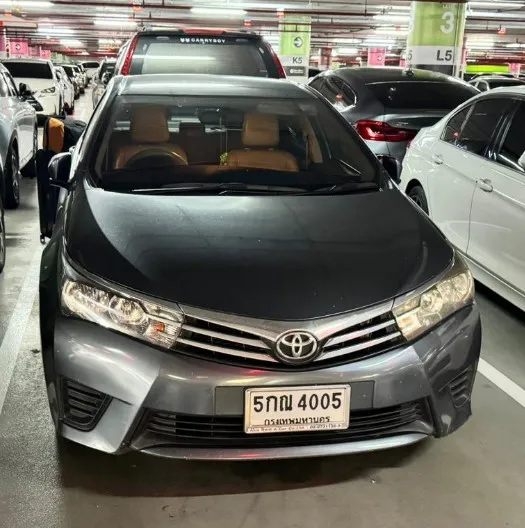
Ik ben erg ontevreden over het autoverhuurbedrijf. Ik had twee maanden geleden een Honda Civic 2020 besteld en de vertegenwoordiger van het bedrijf zei dat de laatste auto die we hadden een Toyota Corolla Atlas was. Hij gaf me een parkeerbon en liet me de auto zien in de parkeergarage op het vliegveld. Hij gaf me een ticket en vertrok meteen, dus ik moet 50TBH betalen voor het parkeren. Alles is slecht

-
Borg en betaalwijze
De borg bij onze partners is $85–145, contant (USD of baht) of als blokkade op een internationale kaart.
-
All-risk verzekering (Super CDW)
$3–17 per dag haalt de schadeaansprakelijkheid weg en vervangt vaak de borg.
-
Aflevering op vliegveld of hotel
In Bangkok meestal betaald (~$100 enkele rit); op Phuket en Samui bij lokale partners vaak inbegrepen.
Geld: borg, verzekering, betaling
Borg
De borg bij onze partners is $85–145 afhankelijk van de klasse — 2–3 keer minder dan bij grote internationale ketens ($400–600 blokkade). Contant in baht of dollars, of blokkade op een internationale kaart. Zonder overdrijving een van de laagste in de regio.
Verzekering
In de huurprijs zit altijd de verplichte WA-verzekering met basis medische dekking — vereist door de Thaise wet. Daarnaast adviseren we All-risk (Super CDW) — $3–17 per dag. Daarmee rekenen de meeste partners geen borg: je kiest tussen $17 per dag of $145 op de kaart geblokkeerd. Nederlandse reisverzekeringen dekken meestal geen schade aan de huurauto — Super CDW ter plaatse lost dit op.
Een Duits stel nam in maart de basis-CDW en raakte een steen op de weg naar Krabi. De voorruit zat niet in de dekking. De reparatie kostte bijna evenveel als de hele week huur.
Betaling ter plaatse
Thais houden van contant geld: hier en nu, zonder op een overschrijving te wachten. Kaart werkt ook, maar alleen internationale Visa of Mastercard. Nederlandse Visa/Mastercard van ING, ABN AMRO, Rabobank en Bunq werken in Thailand zonder beperkingen, geldautomaten ook. Online vooruitbetaling op onze site sluit de formaliteiten al voor het vertrek af.
Rijden in Thailand
Linksrijdend verkeer
Stuur rechts, rijden links — net als in het VK, Japan en Australië. De meeste Nederlandse bestuurders hebben dit nog niet eerder gedaan. In de praktijk wen je er in 1–2 dagen aan. De truc is om voor de eerste ritten rustigere gebieden te kiezen, geen spits in Bangkok op de eerste avond.
Een chauffeur uit Eindhoven gaf toe dat de eerste drie rechtsaf-bochten op Phuket langzaam gingen. Op dag vier reed hij het gezin over de kustweg, zonder GPS.
Motorstroom
Scooters en motoren zijn in Thailand een apart ecosysteem. In het verkeer zijn er altijd dubbel zoveel motoren als auto's. Kijk vaker in de zijspiegels dan thuis en wissel nooit van baan zonder duidelijk visueel contact. Ze verschijnen aan beide zijden tegelijk.
Weer en parkeren
In het regenseizoen (mei–oktober) is een tropische bui normaal, geen ramp. Twintig minuten onder het dak van een tankstation en de lucht is weer helder. Parkeren is makkelijker dan in de meeste Nederlandse steden: bij het strand, bij de tempel, bij het winkelcentrum — bijna alles gratis.
Brandstof en boetes
Liter benzine 95 ongeveer $1,5. De meeste partners leveren de auto vol af en vragen om vol terug. Boetes gematigd: snelheid ~$30, gordel ~$15.
Als er iets misgaat: pech, omwisseling, onze service
Een auto is techniek en gaat soms kapot. Met lokale partners worden zulke zaken in minuten opgelost: 24/7-lijn, sleepwagen in toeristisch gebied binnen 1–4 uur, vervangende auto dezelfde dag.
Accu leeg op de weg bij Hua Hin — we belden de partner, in twintig minuten kwam een monteur met een nieuwe en wisselde hem ter plekke, zonder bijbetaling.
Omwisseling en gratis upgrade
Als het gereserveerde model niet beschikbaar is bij overhandiging, geven we een upgrade zonder bijbetaling. Komt voor: een klant boekt een Honda Civic 1.8, op het vliegveld komt een Toyota Camry 2.5.
Als de gereserveerde auto er niet is — geven we een upgrade. Een klant boekte een Honda Civic, reed met een Toyota Camry uit het vliegveld — dezelfde nacht, zonder toeslag.
Kleine ongevallen
Eerste regel: verplaats de auto niet tot de politie (191) en vertegenwoordigers van de verzekeraars arriveren. Met All-risk heeft de klant geen financiële vragen — reparatie, medisch, schade aan derden, alles wordt door de partner gedekt.
Met All-risk betaalt de klant na een ongeval nul. Reparatie, medisch, andermans bumper — alles voor onze rekening.
Grenzen en eenrichtingsinlevering
De huurauto mag geen staatsgrens overschrijden: Laos, Cambodja en Maleisië zijn voor verhuur gesloten. Binnen het land — overal heen. Inlevering in een andere stad is mogelijk maar betaald (Bangkok → Phuket ~$285).
Binnen het land kun je overal heen — van Bangkok naar Krabi, van Pattaya naar Ko Chang. Buiten Thailand sluit het contract de grens voor je.
De prijs van autoverhuur in Thailand hangt af van het seizoen en de lengte van de huurperiode.
- januari
- februari
- maart
- april
- Mei
- juni
- juli
- augustus
- september
- oktober
- november
- december
- Jan
- Feb
- Mar
- Apr
- Mei
- Jun
- Jul
- Aug
- Sep
- Okt
- Nov
- Dec
 Hoeveel kost het om een auto te huren in Thailand: gemiddelde dagprijs voor alle autoklassen bij een huurperiode van 7 dagen.
Veelgestelde vragen
Economy — $21–27 per dag afhankelijk van het seizoen. SUV of zevenpersoons — van $57 in laag tot $71 in hoogseizoen. Langdurige huur (maand of meer) 30–40% goedkoper per dag; super-piek (25.12–25.01) duurste — boek 1–2 maanden vooruit.
Ja. KLM verzorgt dagelijks een directe vlucht Amsterdam (AMS) — Bangkok (BKK) met de Boeing 787-9 of 777-300ER. Vluchtduur ongeveer 11 uur. EVA Air en China Airlines bedienen ook Amsterdam; via Doha, Frankfurt of Istanbul zijn er talloze overstappen.
Nee, als het verblijf niet langer is dan 60 dagen. Sinds 2024 krijgen Nederlanders 60 dagen visumvrij — stempel op het vliegveld, zonder aanvraag, gratis. Paspoort moet minstens 6 maanden geldig zijn vanaf binnenkomst.
Voor aankomst in november–februari: 1–2 maanden vooraf. Voor super-piek (25.12–25.01) nog eerder — op 20 december zijn er meestal geen vrije auto's meer. In mei–oktober kun je dichter bij de datum boeken, tarieven 30–40% lager.
$85–145 afhankelijk van de partner en klasse. Contant (baht of USD) of blokkade op een internationale kaart. Met All-risk heffen de meeste partners helemaal geen borg.
Paspoort, nationaal rijbewijs in Latijnse letters (Nederlands rijbewijs voldoet) en kaart of contant voor de borg. We raden ook het Internationale Rijbewijs aan, ook al eisen onze partners het niet formeel.
Ja. Thailand erkent het Internationale Rijbewijs volgens het Verdrag van Genève 1949, dat Nederland heeft geratificeerd. De ANWB geeft het op dezelfde dag af in elk filiaal.
De verplichte WA met basis medische dekking is altijd inbegrepen volgens Thaise wet. All-risk (Super CDW) is optioneel — $3–17 per dag. Nederlandse reisverzekeringen dekken meestal geen schade aan de huurauto, dus Super CDW heeft hier zin.
Links — net als in het VK, Japan en Australië. Stuur rechts. Aanpassing duurt 1–2 dagen.
Verplaats de auto niet. Bel de politie (191) en de verhuurpartner — alle partners hebben 24/7-lijn. Wacht op politie en verzekeraars van beide partijen, fotografeer alles. Met All-risk regelt de verhuurder de financiële kant.
Bij de meeste partners in Thailand is het kilometrage onbeperkt, vooral op vliegvelden en bij langdurige huur. Handig voor road trips.
Ja, met afleverkosten. Binnen dezelfde stad meestal gratis of $5–15. Tussen steden duurder: Bangkok → Phuket circa $285.
Nee. Het overschrijden van een staatsgrens is verboden in het contract van al onze partners.
Partnercontracten verbieden de huurauto op de veerboot naar Samui of Pha-ngan — technische verzekeringsbeperking.
Ongeveer $1,5 per liter 95 (~50–55 baht/liter). Diesel ongeveer $0,10 goedkoper. PTT, Bangchak, Shell en Esso zijn overal — bediende tankt, kaart en contant beide.