


Pickup


Stuur terug.
🎁 Gebruik code WELCOME3 tijdens het afrekenen om korting te krijgen op je eerste boeking bij ons. Veel plezier! ☀️

Auto huren in Fethiye is de handigste manier om twee reizen te combineren: een strandweek in Ölüdeniz of Hisarönü én de klassieke roadtrip over de Lycische kust naar Antalya. De stad bedient twee publieken tegelijk — de zomerse charter en de Europese expatgemeenschap in Çalış, Hisarönü en Ovacık — en daarom draaien de aanbieders het hele jaar.
Een stel uit Utrecht landde om 23:40 op DLM, tekende het contract op de parkeerplaats en sliep voor middernacht in Hisarönü. De privétransfer op dat tijdstip kostte al het dubbele van de auto.
DLM (Dalaman) ligt 50 km / 50 min via D555 en D400. Ölüdeniz is 15 km verderop, Hisarönü 12 km en Çalış Beach 4 km. Fethiye is ook het startpunt van de Lycische kust: zeven dagen over de D400 tot Antalya, met stops in Patara, Kalkan en Kaş.
Waar de auto je brengt
De kaart van Fethiye is compact: het hoofdmenu past binnen 100 km en elke stop is anders.
Ölüdeniz en Babadağ
Ölüdeniz ligt 15 km verderop. Belcekiz Beach met de Blauwe Lagune is een must-see. Parkeren ₺50–100/dag, vol om 10 uur — parkeer in Hisarönü en pak de dolmuş. Babadağ (1.969 m) bestijg je alleen met de kabelbaan; voor paragliden rijden de legitieme aanbieders shuttles vanaf Ölüdeniz.
Saklıkent en Tlos
Saklıkent (50 km / 45–60 min) is een diepe kloof met een koude bergrivier. Tlos ligt 15 km verder, met rotsgraven uit de oudheid. 's Ochtends de kloof, lunch op de platforms, Tlos in de middag.
Een gezin uit Rotterdam deed Saklıkent en Tlos op één dag met twee kinderen. Vertrek om 8:30, neopreen gehuurd bij de ingang, lunch op het platform om 13 uur. Geen toerbus combineert de twee.
Butterfly Valley en Faralya
Butterfly Valley bereik je alleen per boot vanuit Ölüdeniz (₺200–300) of via een steile wandeling vanaf Faralya. Tot Faralya kan elke auto, maar de laatste 2 km naar Kabak is onverhard en de meeste contracten verbieden dat. Parkeer hogerop en loop naar beneden.

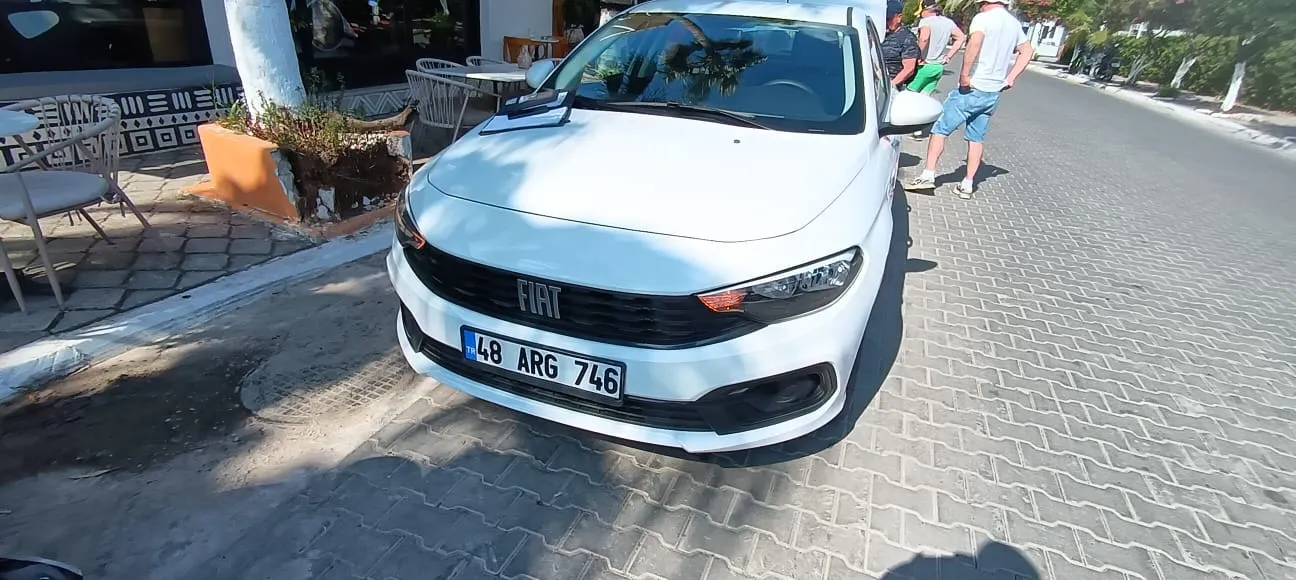
Fiat Egea in Turkije
Alles verliep perfect. Beleefde, nette vertegenwoordiger. Op tijd aangekomen, op tijd ontvangen in een andere stad. De auto is schoon, kilometerstand is slechts 17 000km. Een echte aanrader.

Renault Megane Sedan in Turkije
Uitstekende service, alleen maar positieve indrukken. De auto was bijna nieuw, in uitstekende staat, zeer comfortabel en zuinig met brandstof. Tijdens de hele huurperiode heeft hij me nooit in de steek gelaten en er waren geen technische problemen. Speciale dank aan het personeel van het bedrijf - ze ontmoetten me op de luchthaven bij aankomst, alles snel geformaliseerd en in detail uitgelegd. Bij het inleveren van de auto ging alles snel en zonder vragen. De borg was klein en werd zonder vertraging volledig terugbetaald. Alles is eerlijk, handig en professioneel. Als ik nog eens in Turkije ben, zal ik hier zeker gebruik van maken. Een aanrader!
Hyundai i20 in Turkije
Het ging goed.

Fiat Egea in Turkije
Alles verliep soepel 👌🏻

Fiat Egea in Turkije
alles ging geweldig! De auto was goed, autostoeltje om uit te kiezen, opgewacht op het vliegveld met een naambordje, geen klachten! Bedankt!
Renault Clio 5 in Turkije
Dank u. Het was goed. We hebben ervan genoten.
Hyundai i20 in Turkije
Over autohuur. Heb een Hyundai i20 gehuurd en wil jullie bedanken voor de duidelijke timing. Hoefde nergens te wachten op de huurder. Alles verteld/getoond. Maximale betrokkenheid getoond op de eerste dag dat de auto werd afgeleverd. We waren met 3 volwassenen en een kind. De koffers als een goochelaar allemaal zo netjes en snel mogelijk neergezet. Zeer behulpzaam. Tijdens de verhuur geen klachten gehad. Er was 1 momentje, maar kreeg snel antwoord. Ook op de dag dat de auto werd ingeleverd, werd de borg teruggestort/auto teruggegeven. Alles was duidelijk en to the point. Ik kom in de toekomst graag terug bij jullie 👍🏻
Fiat Egea in Turkije
Het is allemaal goed. We zijn allemaal gelukkig.

Renault Clio 5 in Turkije
Alles verliep geweldig, het personeel was vriendelijk en overhandigde de auto op tijd. De auto was gloednieuw en ik was de eerste huurder. Ik probeerde er zo voorzichtig mogelijk mee om te gaan. De afspraak bij het inleveren van de auto was ook uitstekend en de borg werd terugbetaald. Ik ben zeer tevreden en zal jullie service aanbevelen! Bedankt!
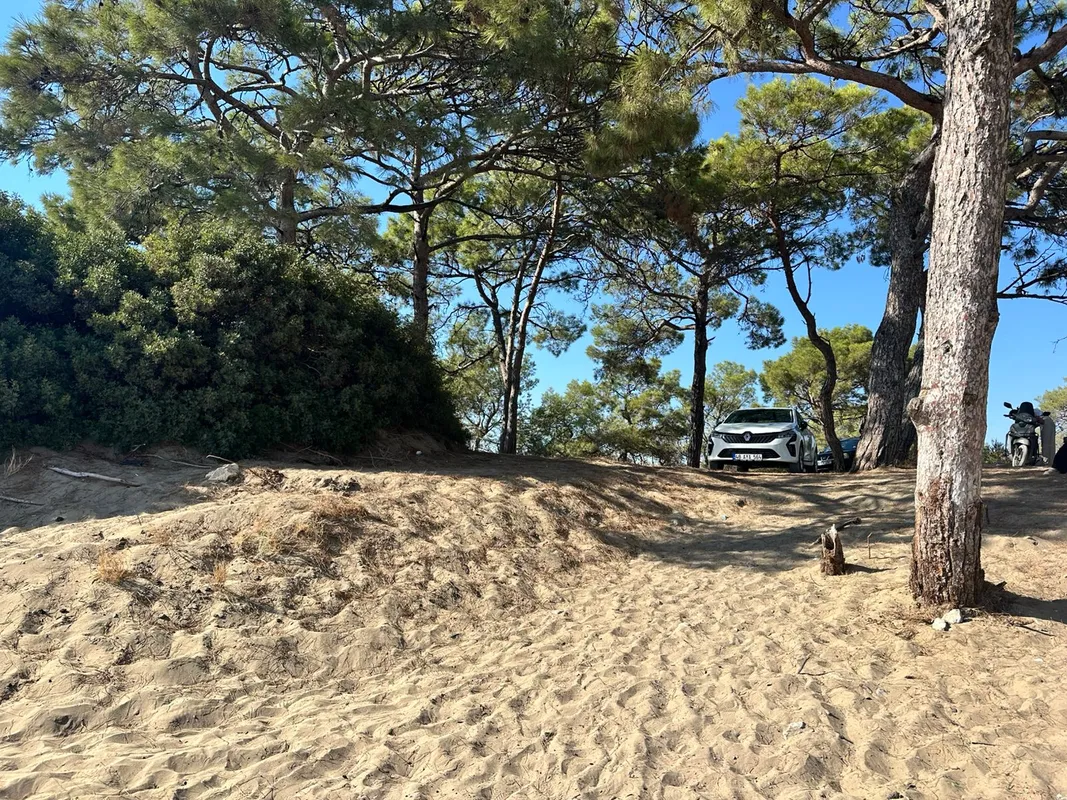
Fiat Egea in Turkije
Alles ging goed. De gekozen auto was niet op voorraad, we werden gewaarschuwd en vervangen door een Renault Tailant. Ik werd op de luchthaven opgewacht met een bord en naar de auto begeleid. De documenten waren snel ingevuld. De prijs veranderde niet. We namen een aanbetaling. De auto is schoon en in goede staat. Toen we de auto op de afgesproken tijd inleverden, ging alles snel. De auto werd geïnspecteerd en de borg werd terugbetaald. Geen vragen gesteld
Fiat Egea in Turkije
Hartelijk dank voor de service, alles verliep perfect. De auto werd afgeleverd op de luchthaven, op de terugweg in de vertrekhal werd de auto opgehaald door een medewerker. De registratie nam minimale tijd in beslag, de borg werd zonder problemen geretourneerd. De auto was in goede technische staat, ik zou de service aan mijn vrienden aanbevelen.
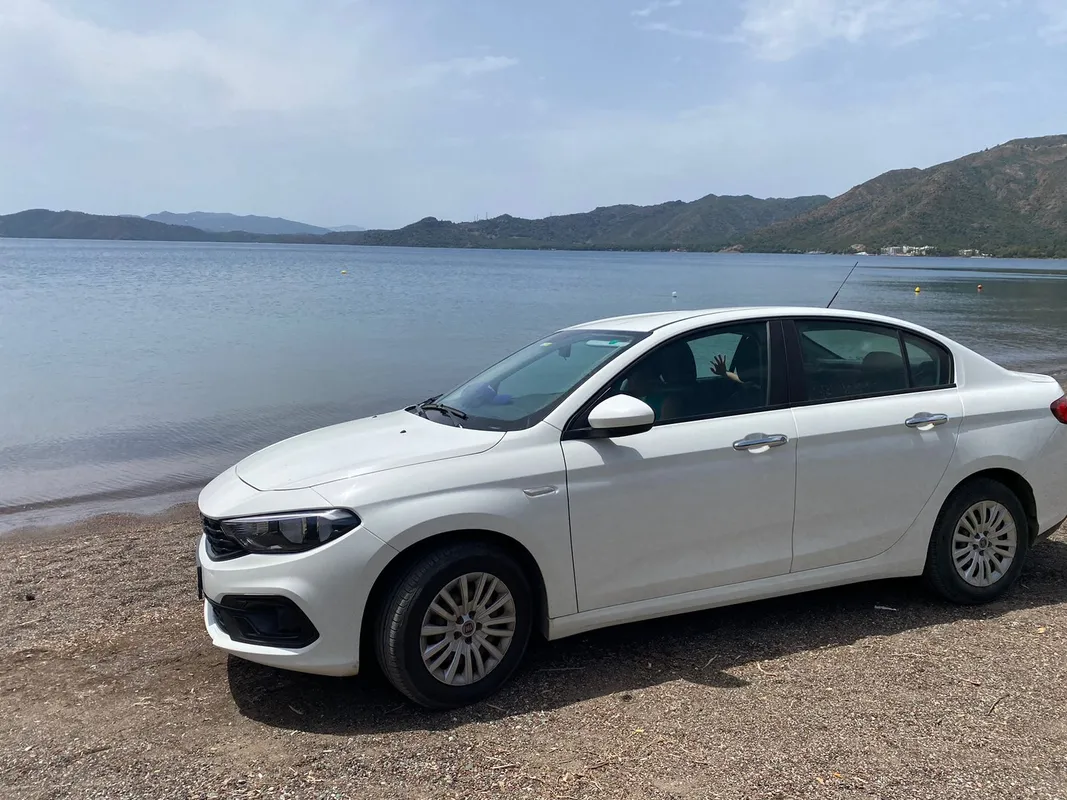
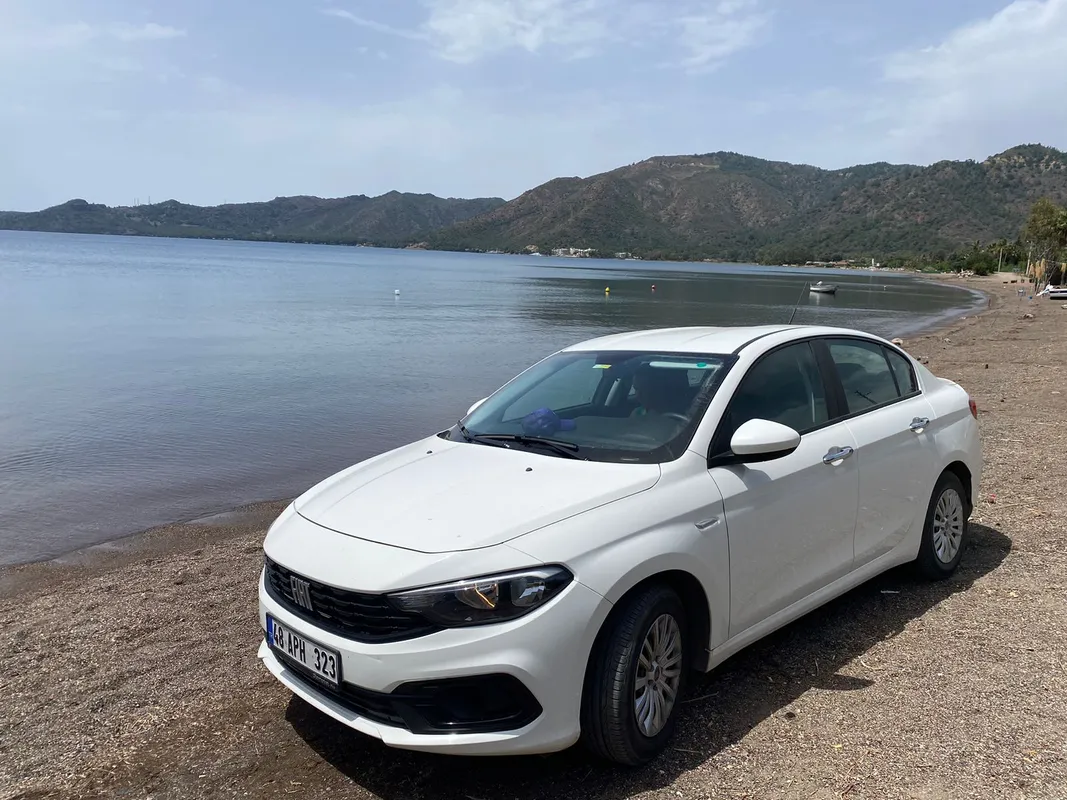
Toyota Corolla Sedan in Turkije
Alles was geweldig met de verhuur. De auto was in perfecte staat. Het enige is dat we hadden aangegeven dat we de auto om 21:00 uur moesten inleveren, uiteindelijk werd de auto pas om ongeveer 22:30 uur opgehaald.
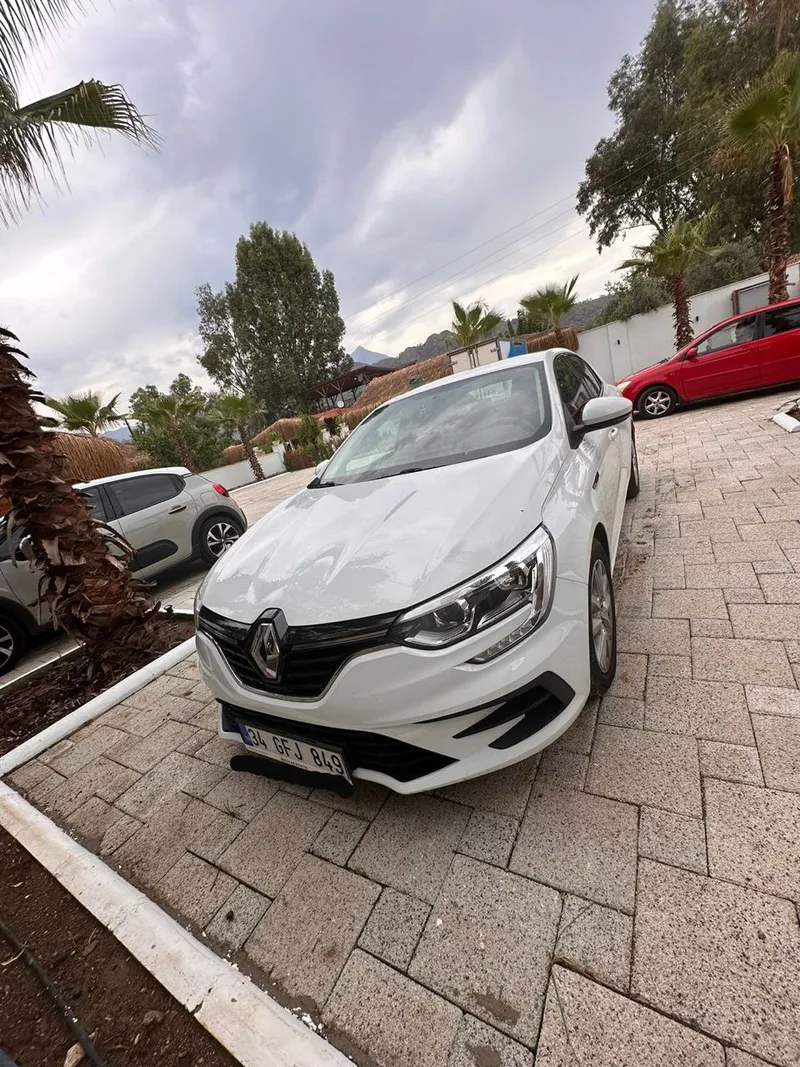

Skoda Scala in Turkije
goed
De Lycische kust vanaf hier
Fethiye is het startpunt van een van de mooiste kustroadtrips ter wereld. Ongeveer 300 km naar Antalya op de D400, normaal over 5–7 dagen met stops. One-way drop op AYT kost €100–180.
Standaardweek: Fethiye → Patara (Romeinse stad en 18 km strand) → Kalkan (boetiekhotels en terrassen bij zonsondergang) → Kaş (Griekse eilanden aan de horizon) → Demre (kerk van Sint-Nicolaas en Lycische graven van Myra) → Olympos (Chimaera-vlammen) → Antalya (Kaleiçi). Patara is de onderschatte stop: een enorm onaangetast strand, een oude stad ernaast en alles vrij toegankelijk.
Een stel uit Amsterdam sloeg Patara over om eerder in Kaş te zijn. De volgende dag reden ze 68 km heen en terug met broodjes, omdat het strand ze niet losliet. Boek een overnachting en je hebt geen spijt.
Neem compact of middenklasse met automaat. De D400 ten westen van Kemer heeft haarspeldbochten en lange klimmen; handgeschakeld in het Taurusgebergte vermoeit het koppelingsbeen. Zwaarst: Kalkan–Kaş en Kaş–Demre. Zeven dagen is het juiste tempo — minder is haasten, meer is moe worden van inpakken.
Waarom gasten bij ons boeken

-
Video bij ophalen en inleveren
De Fethiye/Dalaman-regio staat bekend om krasdiscussies bij de teruggave — onze aanbieders filmen de auto op beide momenten.
-
Maandtarieven voor overwinteren
Huur vanaf 30 dagen met winterbanden standaard en 30–50% korting op het dagtarief.
-
One-way naar Antalya over de Lycische kust
Eindig de roadtrip op AYT voor €100–180 zonder dubbele kilometers.
Waar de auto niet komt
Fethiye heeft plekken waar een huurauto niet hoort. Dit van tevoren weten bespaart tijd, geld en zenuwen.
Babadağ
Voor paragliden werkt alleen de kabelbaan. De onverharde bergweg naar het startpunt bestaat, maar gewone huurauto's halen het niet: lange klim, modder bij regen. Elke legitieme aanbieder rijdt shuttles vanaf Ölüdeniz.
Een stel uit Den Haag probeerde Babadağ op te rijden met een Fiat Egea. Na 4 km onverhard zaten ze vast in de modder en moest een takelwagen ze terughalen. De off-road-clausule kostte het dubbele van een weekhuur.
Butterfly Valley
De valleibodem is niet per auto bereikbaar. Boot vanuit Ölüdeniz (₺200–300 retour, 45 min) of een steile wandeling vanaf Faralya, pad van 30–45 minuten met touwgedeelten.
Kabak Beach
De weg naar Kabak eindigt met 2 km onverhard. De meeste contracten verbieden dat. Parkeer in het dorp bovenop en loop 20 minuten omlaag — daar beginnen de off-road-rekeningen.
Veelgestelde vragen
Ongeveer 50 km / 50 minuten via de D555 en D400. De weg is van goede kwaliteit, geen haarspeldbochten. Bijna geen openbaar vervoer — het is een privétransfer ($40–70) of een huurauto op DLM. Velen halen op DLM op en stoppen bij Dalyan voor de schildpadden of Sarıgerme voor het strand op de weg.
Ja — de meeste lokale aanbieders (Yelken, Marin, Oscar, Fethiye Rent a Car) leveren. Centraal Fethiye en Çalış (4 km) zijn meestal gratis. Ölüdeniz, Hisarönü en Ovacık (12–15 km) zijn gratis of €5–15. Faralya en Kayaköy (20+ km) zijn €15–25. Handig patroon: transfer naar hotel, auto de volgende ochtend naar receptie.
Ja — alle grote pakketresorts in Ölüdeniz/Hisarönü/Çalış hebben levering: Liberty Lykia, Hillside Beach Club, Jiva Beach Resort, Letoonia, Oyster Residences, Suncity, Montana Pine, Z Hotel, Babadan. Levering meestal €5–15 afhankelijk van afstand tot centraal Fethiye.
Saklıkent — 50 km / 45–60 minuten zuidelijk van Fethiye via Eşen. Een kloof met een koude bergrivier waar je in neopreen doorheen waadt. Tlos ligt 15 km verder — een oude stad met rotsgraven. Gratis parkeren, tickets ~₺150 elk. Standaard volle dag: kloof in de ochtend, lunch op de rivierplatforms, Tlos na de lunch.
Nee. De valleibodem is niet per auto bereikbaar — het is boot vanuit Ölüdeniz (₺200–300 retour, 45 min) of een steile wandeling vanaf Faralya. Het pad is scherp, 30–45 minuten omlaag via touwgedeelten, nog zwaarder terug omhoog. De boot vanuit Ölüdeniz is voor de meesten de standaardroute.
De weg naar het dorp Kabak bestaat — haarspeldbochten voorbij Faralya, ongeveer 25 km van Fethiye. Maar de laatste 2 km naar het strand is onverhard, en de meeste huurcontracten verbieden off-road. De oplossing: parkeer in het dorp Kabak bovenop, loop 20 minuten omlaag. Het uitzicht vanaf de weg is prachtig.
Nee. Voor paragliden van Babadağ (1.969 m) werkt alleen de kabelbaan. De bergweg naar het startpunt bestaat maar is een lange onverharde klim die standaard huurauto's (zelfs SUV's zonder 4WD) niet aankunnen. Elke legitieme paragliding-aanbieder rijdt shuttles vanaf een basis in Ölüdeniz.
Betaald parkeren langs Belcekiz Beach is ₺50–100/dag. Vol om 10 uur 's morgens in de zomer. Alternatieven: kom voor 9 uur, parkeer in Hisarönü en neem de dolmuş omlaag (₺20–30, 10 min), of gebruik de parking van je hotel als je aan zee verblijft. Hotels in Ölüdeniz bieden meestal gastenparkeren.
Ja — het klassieke einde. Fethiye → AYT kost meestal €100–180 afhankelijk van aanbieder en seizoen. Standaardroute 5–7 dagen: Patara, Kalkan, Kaş, Demre, Olympos, Antalya. Ongeveer 300 km op de D400. Boek vooruit — auto's met deze optie gaan snel in de zomer, 4–6 weken vooraf.
Fethiye → DLM (50 km, dezelfde provincie Muğla) is meestal gratis of €0–20. Fethiye → Bodrum (~270 km / 4 uur via Marmaris) — €80–150. Fethiye → Izmir (ADB) — €120–200. Fethiye → Antalya (AYT) — €100–180 (de Lycische kust). Lokale aanbieders in Fethiye zijn flexibeler dan de ketens op cross-region-one-way.
Ja — Fethiye heeft een van de sterkste langetermijnmarkten aan de kust dankzij de grote expatgemeenschap in Çalış, Hisarönü en Ovacık. Economy vanaf €350/maand, middenklasse €500–800, SUV €700–1.300. Locals (Yelken, Marin, Oscar) geven 30–50% korting op het vermenigvuldigde dagtarief. Tot 90 dagen volstaat een paspoort en buitenlands rijbewijs.
Winterprijzen (november–maart) liggen 30–50% onder de zomer. Volgens lokale aanbieders start economy in januari vanaf €14/dag in het tussenseizoen. Maandtarieven geven extra korting. Winterbanden zitten erop van december tot maart. Anders dan Marmaris draait Fethiye het hele jaar dankzij de expatgemeenschap.
Een compact of middenklasse met automaat. De D400 ten westen van Kemer heeft haarspeldbochten en scherpe bochten — een handgeschakelde in het Taurusgebergte vermoeit je koppelingsbeen. De zwaarste stukken zijn Kalkan–Kaş en Kaş–Demre. Voor een stel — Renault Clio, Hyundai i20 (vanaf $25/dag). Gezin van vier — Toyota Corolla, Hyundai Elantra ($30–45). Een SUV is niet nodig.
Sommige lokale aanbieders accepteren ze. Er zijn specialisten in borgloze boekingen met debitcards (Revolut NL, bunq, N26) en contant geld. Grote internationale ketens en de grotere locals (Yelken, Oscar) vragen meestal een creditcard op naam van de hoofdbestuurder. iDEAL werkt niet — plan een internationale Visa/Mastercard.
Ja — Kayaköy is 8 km van Fethiye, 15–20 minuten over een asfaltweg. Een verlaten Grieks dorp uit de bevolkingsuitwisseling van 1923. Betaald parkeren bij de ingang, ticket ₺50–100. Vaak gecombineerd met het strand van Çukuruba (10 minuten van Kayaköy) voor een halve dag. De weg is geschikt voor elke huurauto.