


Pickup


Stuur terug.
🎁 Gebruik code WELCOME3 tijdens het afrekenen om korting te krijgen op je eerste boeking bij ons. Veel plezier! ☀️

Auto huren in Turkije opent het land op een manier die geen shuttlebus of georganiseerde excursie kan evenaren. De afstanden zijn groot, het wegennet solide, en het meeste van wat de reis waard maakt — van de Lycische kust tot Cappadocië — ligt op een paar uur van de luchthaven.
Voor de meeste Nederlandse gasten wordt de auto onderdeel van de vakantie in plaats van een rompslomp. Drie of vier dagen vanuit een all-inclusive resort naar Pamukkale of Saklıkent; veertien dagen langs de kust tussen Antalya en Kaş; of een rit tussen steden in het naseizoen, wanneer de prijzen zakken.
De meeste gasten verwachten klein drama bij het ophalen — papierwerk, wachtrijen, verborgen kosten. We hebben het andersom ingericht. Voucher, sleutels, inspectievideo en je rijdt weg.
Betalen is eenvoudig. Visa, Mastercard en contactloos worden overal geaccepteerd; creditcards zijn alleen verplicht bij de internationale ketens, terwijl lokale aanbieders contante borg aannemen in EUR, USD of Turkse lira. iDEAL werkt niet in Turkije — plan vooraf een internationaal betaalmiddel in. De meeste gasten betalen 15–20 % aanbetaling online en rekenen de rest af bij het ophalen.
De meest gestelde vraag is of je een creditcard nodig hebt om hier een auto te huren. Bij ons niet: een debitcard of contant geld is genoeg bij vrijwel elke lokale aanbieder.
Het wagenpark begint bij de Fiat Egea — verreweg de meest voorkomende Turkse huurauto — en loopt door tot achtpersoons minivans. De meeste auto's zijn van 2020 of nieuwer.
Wat je nodig hebt voor autohuur
Het basale is kort: een paspoort met inreisstempel en een geldig rijbewijs. Een Nederlands EU-rijbewijs B wordt direct geaccepteerd — geen extra papieren, geen internationaal rijbewijs nodig. Alleen rijbewijzen in niet-Latijnse alfabetten hebben een internationaal rijbewijs ernaast nodig.
Een EU-rijbewijs B en je paspoort zijn genoeg, zelfs voor een rondreis van twee weken. Anders dan op trips naar de VS of Japan, waar je het IDP er voor de zekerheid bij houdt.
De minimumleeftijd is 21 jaar met ten minste twee jaar rijervaring. Premiummodellen, 4×4's en minivans vragen meestal 25 of ouder. Bestuurders onder 25 betalen een jongebestuurderstoeslag — ongeveer 10 USD per dag bij de meeste lokale aanbieders.
Betalen is vriendelijk voor de meeste Europese gasten. Visa, Mastercard, contactloos en Apple/Google Pay werken voor de online aanbetaling. Bij ophalen accepteren locals contant in EUR, USD of Turkse lira; de internationale ketens vragen een creditcard op naam van de hoofdbestuurder. Maestro wordt uitgefaseerd en iDEAL werkt niet. Een Visa- of Mastercard-debitcard van ING, Rabobank, ABN AMRO, bunq of Revolut NL werkt overal.
Een stel uit Utrecht haalde in augustus een Egea op AYT op met een bunq-debitcard en driehonderd euro contant. Dekte de borg, een tankbeurt en de espresso vlak voor de terugvlucht.
Controleer voor je het parkeerterrein afrijdt of de auto klopt met je voucher: model, jaar, transmissie, brandstof. Stille vervangingen voor 'dezelfde klasse' komen voor in het hoogseizoen.
De meeste toeristen in Turkije beginnen hun reis hier
Wat autohuur in Turkije kost
De prijs volgt het seizoen. In het laagseizoen begint een Fiat Egea — verreweg de meest voorkomende Turkse huurauto — bij 8–10 USD per dag voor handgeschakeld en 12–15 USD voor een automaat. Middenklasse zoals de Renault Megane of Hyundai i30 zit op 12–20 USD. Familieminivans 60–80 USD.
In het hoogseizoen (juni–september) verdriedubbelen de prijzen ruwweg: Egea vanaf 35 USD, middenklasse 45–55, minivans 120–180. Aan de kust zijn in juli en augustus de betere auto's twee tot drie weken vooraf weg, dus een auto in Bodrum of Antalya boek je vroeg — zeker als je in pieksensoen invliegt.
Augustus in Antalya is een maand vooraf uitverkocht. Vlieg je in voor het hoogseizoen, wacht niet tot na de landing — wat overblijft is duurder en minder.
Naast het dagtarief bevat de voucher: WA-verzekering (TPL), basis-CDW (Casco), luchthaventoeslag, optioneel Super CDW (Allrisk), jongebestuurderstoeslag en de toeslag voor een eenwegmiete naar een andere stad. Tol en boetes worden achteraf afgerekend met een kleine administratiekost.
De prijs op de voucher is de prijs die je betaalt. Wat niet in de uitsplitsing staat, staat ook niet op de eindrekening.
De contante borg hangt af van de wagenklasse: ongeveer 100 USD voor economy, 200–300 USD voor middenklasse, tot 500 USD voor een minivan. Een paar aanbieders hebben nul-borg-tarieven — Allrisk vooraf afgekocht en er wordt geen borg ingehouden.

Fiat Egea in Turkije
Alles was in orde

Fiat Egea in Turkije
Het is niet de eerste keer dat we een auto boeken bij dit bedrijf, we zijn erg tevreden over de service.
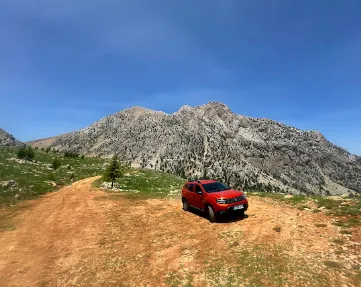
Dacia Duster in Turkije
De auto was in goede staat, de meest redelijke optie als je door Turkije wilt reizen. Het hele proces van boeken, ontvangen en terugbrengen van de auto was ook erg snel en handig met volledige ondersteuning van het kantoor. Bedankt!
Citroen C3 in Turkije
We hadden een Fiat!!! Maar alles ging geweldig... Op tijd geleverd en op tijd opgehaald... De agenten waren professioneel en vriendelijk!!! De prijs was zoals op de website... Hartelijk dank!!! We zullen uw verhuurservice gebruiken als we het nodig hebben.
Peugeot 301 in Turkije
Alles was 5 sterren
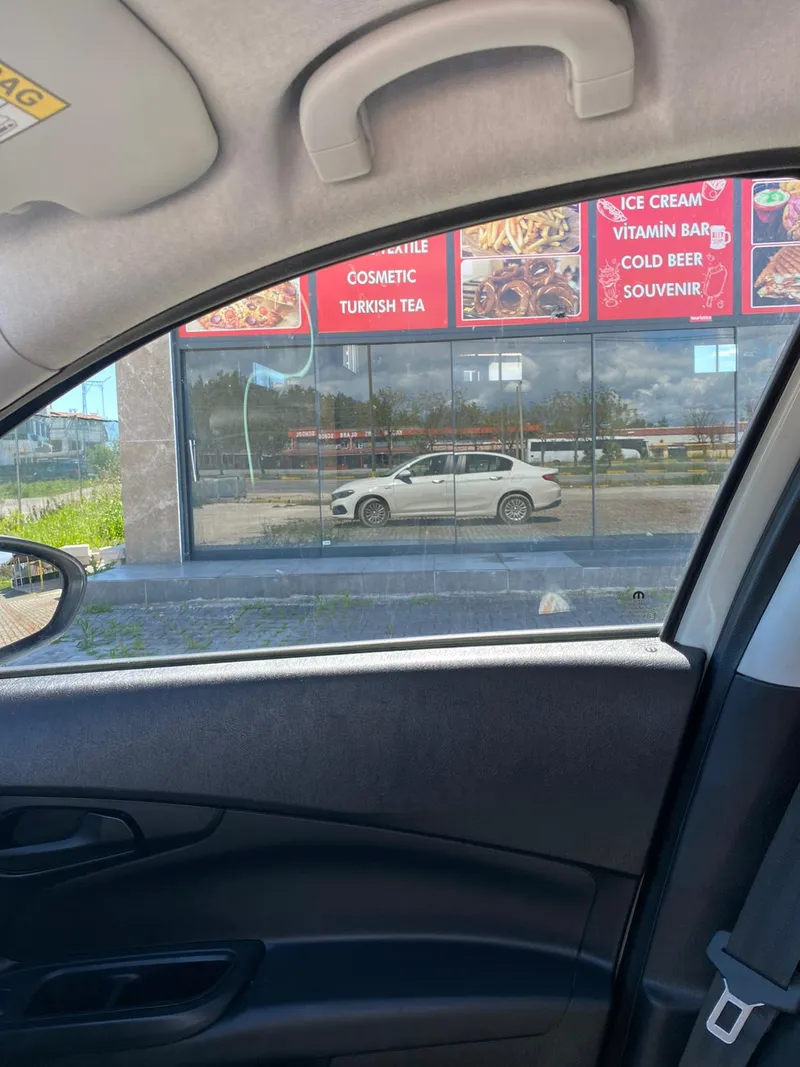

Peugeot Rifter in Turkije
Alles is perfect, snelle levering, snelle levering, de auto is fris!
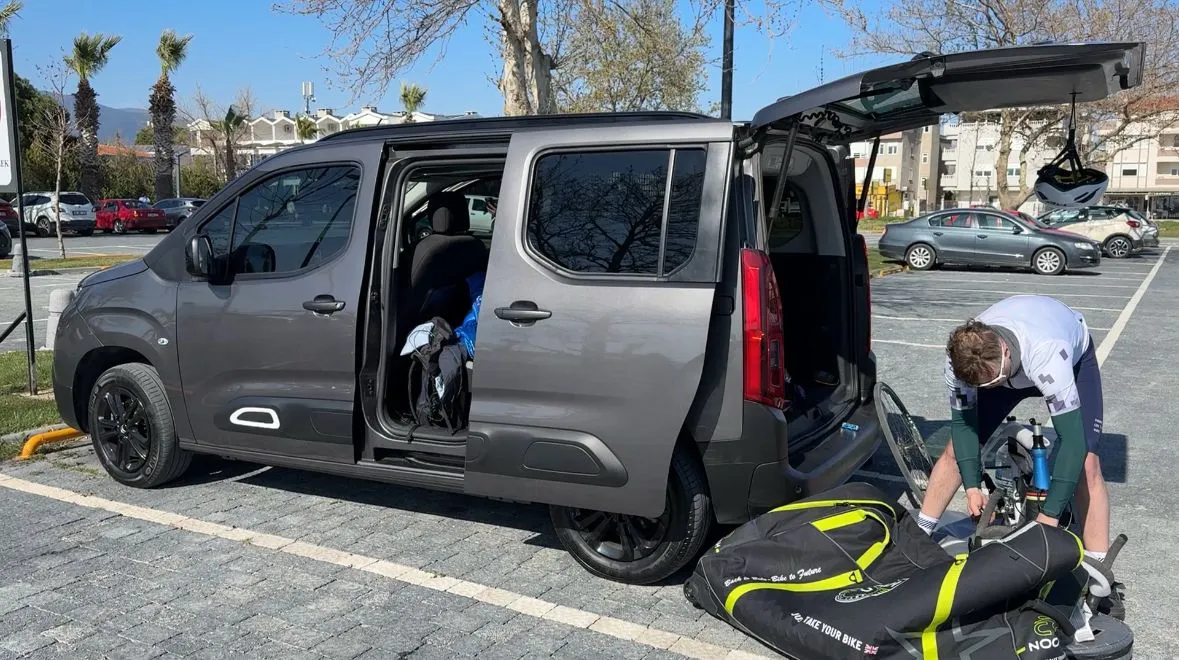
Citroen Space Tourer in Turkije
Alles ging goed, bedankt
Renault Clio 5 in Turkije
Het bleek onmogelijk om met een kaart te betalen, er was geen auto, we kregen een wrak, de eigenaar van het kantoor schreef het kaartnummer en de CVC-code om de een of andere reden van zich af... communicatieproblemen.
Renault Clio 4 in Turkije
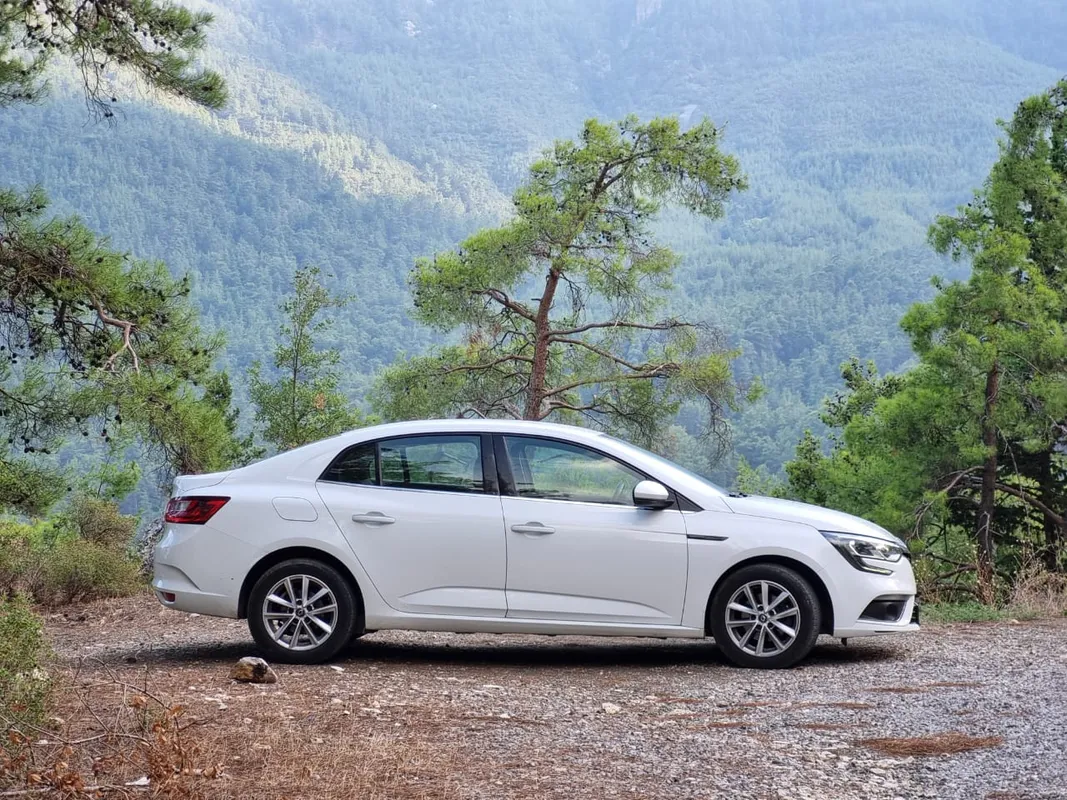
Deze zomer boekte ik een auto via de website van TakeCars. Bij aankomst in Antalya werden we opgewacht en naar het verhuurkantoor gebracht. Daar bekeken we de auto en vulden we het papierwerk in. Aan het einde van de huurperiode leverde ik de auto in bij het bureau en werden we naar het vliegveld gebracht. Opgemerkt moet worden dat we in plaats van de Renault Clio een auto uit een hogere klasse kregen - de Renault Megan. Alles beviel ons zeer goed, alles ging goed. Dankzij de auto hebben mijn vrouw en ik een onvergetelijke reis gehad, we hebben veel mooie plekken in Turkije bezocht. Bedankt voor de goede service, de volgende keer boeken we weer bij jullie!
Fiat Egea Cross in Turkije
Alles is geweldig. Bedankt!
Fiat Egea in Turkije
Ik huurde op de luchthaven van Istanbul voor 8 dagen met inlevering op de luchthaven. Ik vond alles goed, de auto was bijna nieuw (2000 km gereden), er waren geen problemen bij het huren en terugbrengen (er was een volledige verzekering zonder eigen risico). Ik heb de naam van het verhuurbedrijf geleerd uit de correspondentie met de manager van het autoverhuurbedrijf. Het kantoor van het verhuurbedrijf bevindt zich op een van de verdiepingen van een enorme parkeergarage met 6 verdiepingen, samen met andere bedrijven. Het bedrijf werkt 24/7, dus de terugkeer om 7 uur 's ochtends leverde geen problemen op. Ik raad takecars.com aan voor reizigers.

Opel Zafira in Turkije
Het ging goed.

Renault Symbol in Turkije
Al met al is alles goed, ik kan niets slechts zeggen. Uiteindelijk kreeg ik een Fiat Agea of zoiets.... Op de website staat alleen dat de verzekering bij de prijs is inbegrepen, maar dat is niet zo. Ik moest extra betalen voor de verzekering. Maar in wezen is alles in orde...

-
Geverifieerde reviews op elke individuele auto
Je ziet hoe juist deze Egea of deze Duster in de praktijk presteerde, niet alleen een gemiddelde van de aanbieder.
-
De prijs op de voucher is de eindprijs
Alle belastingen, basisverzekering en kosten zijn inbegrepen, zonder herberekening aan de balie.
-
Gratis annuleren tot 7 dagen vooraf
De details stem je rechtstreeks af met de persoon die je de sleutels overhandigt.
Tol, Bosporusbruggen en HGS
Sinds maart 2022 hanteert Turkije één tolsysteem op zijn snelwegen — HGS (Hızlı Geçiş Sistemi). De slagbomen zijn weg; bij het tolpunt worden contant geld noch kaarten geaccepteerd. Elke huurauto heeft een actieve HGS-sticker op de voorruit en het bedrag wordt automatisch afgeschreven bij doorrijden onder het portaal.
Afremmen bij een tolportaal hoeft niet. De sticker leest uit bij 30 km/u en bij 110 — wat telt is dat hij daadwerkelijk op de voorruit zit.
Istanboelse bruggen
Bosporusovertochten hebben eigen logica. Op drie bruggen — 15 Temmuz Şehitler, Fatih Sultan Mehmet en Yavuz Sultan Selim — betaal je maar in één richting, Europa → Azië. Terug is gratis. De Osmangazi-brug (Istanboel–Izmir) en de Eurasia-tunnel rekenen in beide richtingen.
Veel bezoekers betalen te veel door heen en terug via dezelfde brug te plannen. Als je vaker oversteekt, neem de terugweg via 15 Temmuz — daar is het gratis.
Wat het kost
Richtbedragen: Eurasia-tunnel rond ₺225 overdag, Osmangazi-brug rond ₺795, Istanboel–Ankara rond ₺150, Istanboel–Izmir rond ₺500. Gratis alternatieven zijn er bijna overal, maar voegen 30 tot 90 minuten toe.
HGS wordt afgerekend nadat je de auto inlevert. Een kleine administratiekost is normaal — die van ons staat vanaf dag één in het contract. Elke auto die wij aanbieden heeft actief HGS, maar het is verstandig om dit bij de overdracht te bevestigen.
Regels, boetes en parkeren
Snelheidslimieten: 50 km/u binnen de bebouwde kom, 90 km/u op landwegen, 120 km/u op snelwegen. Op snelwegen geldt ook een minimum van 40 km/u. Flitspalen en trajectcontroles zijn gangbaar. Nederlanders zijn de A1/A2/A4 gewend; in Turkije zijn de boetes fors, alleen is de bebording minder strak geregeld.
Alcohol achter het stuur
Turkije heeft een ongebruikelijke regel: 0,5‰ voor een bestuurder die alleen rijdt, maar 0,0‰ zodra een passagier meerijdt — volwassene of kind, geen verschil. De meeste bezoekers weten dit niet. De boete voor een eerste overtreding is ongeveer ₺6.400.
Rijd je alleen, dan is het je eigen keuze; vervoer je een passagier, dan ben je voor hem of haar verantwoordelijk. Boven de 0,5‰ vervalt sowieso elke verzekering.
Kinderen en uitrusting
Kinderen onder 12 zitten achterin; onder de 135 cm is een kinderzitje verplicht. Aanbieders rekenen 3–7 USD per dag — boek vooraf, ze zijn 's zomers snel uitverkocht. Radardetectors en jammers zijn illegaal in heel Turkije, ook als ze in een navigatie zijn ingebouwd.
Boetes en parkeren
Het Turkse systeem beloont snel betalen: 25 % korting bij directe betaling, nog eens 25 % binnen 15 dagen. Camerabekeuringen worden doorgestuurd met een administratiekost van 15–30 USD. In het centrum van Istanboel is parkeren betaald — gebruik İSPARK of de hotelparkeergarage. Rond Marmaris en Fethiye, vanaf Dalaman, bieden de meeste resorts gratis parkeren.
Parkeren in centraal Istanboel is een zoektocht. In Sultanahmet of Beşiktaş rijd je direct naar een İSPARK: een straatboete vang je sneller dan een gratis plek.
Aan de toeristische kust werkt het omgekeerd: de meeste hotels en resorts hebben een parkeerplek inbegrepen, en alleen in de oude centra van Antalya of Bodrum is İSPARK weer de logische keuze.
Verzekering, ongevallen en grenzen
WA-verzekering (TPL) is wettelijk verplicht en zit standaard bij elke huur. Basis-CDW (Casco) wordt meestal meegeleverd, met eigen risico: bij schade betaal je een vast bedrag en de verzekeraar dekt de rest. Standaard uitsluitingen: glas, wielen, velgen, bodemplaat, interieur.
Ongeveer 70 % van de gasten kiest Allrisk. In Istanboel of op de Cappadocische haarspeldbochten is 1.500 USD eigen risico al goed voor één kras op een spatbord. Allrisk haalt dat risico weg voor 8–15 USD per dag.
Wat Super CDW dekt
Super CDW (Allrisk-pakket) dekt glas, wielen, velgen en diefstal en zet het eigen risico op nul. Niet gedekt: rijden onder invloed boven 0,5‰, onverharde wegen, onbetaalde tol, slepen. Voor bergroutes is het standaard; aan de kust bij Belek, Side of Kemer houden gasten vaak de basisdekking aan.
Wat te doen na een ongeluk
Bel 154 (verkeerspolitie) en wacht. Het politierapport is verplicht — zonder rapport keert geen verzekering uit en wordt de reparatie van je borg afgehouden. Verplaats de auto niet voordat de politie ter plaatse is; informeer parallel je aanbieder.
Een gezin uit Rotterdam probeerde een kleine aanrijding op een parkeerterrein in Side onderling te regelen. Zonder politierapport werd de Turkse verzekering niet geactiveerd en kwam de plaatreparatie uit hun borg.
De grens oversteken
Meestal niet toegestaan. De verzekering vervalt aan de grenzen met Griekenland, Bulgarije, Armenië, Iran, Syrië en Irak. Georgië is soms mogelijk met schriftelijke toestemming en een toeslag. Noord-Cyprus per veerboot vanuit Taşucu of Mersin is bij wijze van uitzondering toegestaan met vooraf geregelde goedkeuring.
De prijs van autoverhuur in Turkije hangt af van het seizoen en de lengte van de huurperiode.
- januari
- februari
- maart
- april
- Mei
- juni
- juli
- augustus
- september
- oktober
- november
- december
- Jan
- Feb
- Mar
- Apr
- Mei
- Jun
- Jul
- Aug
- Sep
- Okt
- Nov
- Dec
 Hoeveel kost het om een auto te huren in Turkije: gemiddelde dagprijs voor alle autoklassen bij een huurperiode van 7 dagen.
Veelgestelde vragen
Ja, tussen grote steden en luchthavens — Istanboel ↔ Antalya, Antalya ↔ Izmir, Antalya ↔ Dalaman en vergelijkbare combinaties. De toeslag voor de eenwegmiete begint bij 200–300 USD, afhankelijk van afstand en aanbieder. In het hoogseizoen zijn deze auto's snel weg, dus boek vroeg. Een eenwegmiete buiten Turkije is niet toegestaan.
Niet wettelijk, maar sterk aangeraden in Oost-Turkije, het Taurusgebergte, Cappadocië en de Zwarte Zeekust van november tot april. Sneeuwkettingen zijn handig als reserve op steile bergwegen. Spijkerbanden zijn nergens in Turkije toegestaan. Voor Antalya, Bodrum en Izmir zijn winterbanden meestal overbodig.
Istanboel IST past bij de stad en het noordwesten. Sabiha Gökçen SAW ligt dichter bij de Aziatische kant en is een handige basis voor Cappadocië. Antalya AYT is de hoofdhub voor de Turkse Riviera. Dalaman DLM bedient Marmaris, Fethiye en Ölüdeniz; Bodrum BJV de Egeïsche kust; Izmir ADB Efeze en Çeşme. Veel Nederlanders vliegen vanaf AMS, EIN of RTM met Corendon, Transavia of TUI fly NL.
Het gebeurt vaker in Turkije dan in West-Europa. Sommige aanbieders overhandigen de auto met een minimale hoeveelheid brandstof en vragen hem zo terug — de full-to-full-conventie is hier niet universeel. Fotografeer het dashboard bij het ophalen en zorg dat de brandstofstand op het inspectieformulier door de aanbieder wordt vastgelegd.
Niet bij onze lokale aanbieders. Een debitcard van ING, Rabobank, ABN AMRO, SNS, bunq, Revolut NL of contactloos is genoeg voor de online aanbetaling; het saldo en de borg kunnen contant worden betaald bij het ophalen (EUR, USD of Turkse lira). Een creditcard op naam van de hoofdbestuurder is alleen vereist bij de grote internationale ketens. iDEAL werkt niet in Turkije.
Ja. Het Nederlandse EU-rijbewijs B wordt direct geaccepteerd. Een internationaal rijbewijs is niet nodig. Alle EU- en EER-rijbewijzen werken zonder extra papieren. Alleen rijbewijzen in niet-Latijnse alfabetten vereisen een internationaal rijbewijs ernaast. Voor stays langer dan zes maanden gelden aparte regels.
Voor Nederlandse bestuurders: nee. Een EU-rijbewijs B is voldoende, een internationaal rijbewijs is niet nodig. Bij vrijwel geen enkele verhuurbalie is het een strikte eis. Voor langere reizen is het niet ongebruikelijk om er een aan te schaffen via de ANWB voor extra zekerheid bij een Turkse politiecontrole, maar verplicht is het zeker niet.
21 jaar met ten minste twee jaar rijervaring. Premiumauto's, 4×4's en minivans vereisen meestal 25. Bestuurders tussen 21–24 jaar betalen een jongebestuurderstoeslag van ongeveer $10 per dag. Een bovenleeftijdsgrens is er zelden, al vragen sommige aanbieders boven de 70 om een medische verklaring.
Het hangt af van de wagenklasse: ongeveer $100 voor economy, $200–300 voor middenklasse en tot $500 voor een minivan. Bij lokale aanbieders wordt de borg meestal contant betaald en ter plekke teruggegeven bij teruggave van de onbeschadigde auto. Nul-borg-tarieven bestaan als je vooraf Allrisk afsluit.
HGS is sinds 2022 het enige elektronische tolsysteem op de Turkse snelwegen. Elke huurauto heeft een actieve sticker en het bedrag wordt afgeschreven terwijl je onder het portaal doorrijdt. Ruwe cijfers: Istanboel naar Ankara rond ₺150, Istanboel naar Izmir rond ₺500. De aanbieder rekent HGS af nadat de auto is ingeleverd, met een kleine administratiekost die vooraf vaststaat.
Alleen als je van Europa naar Azië oversteekt. De drie hangbruggen (15 Temmuz, Fatih, Yavuz) zijn gratis in de tegenovergestelde richting. De Osmangazi-brug op de Izmir-snelweg en de Eurasia-tunnel onder de Bosporus rekenen in beide richtingen. Betaling gaat enkel via HGS — contant geld noch kaarten worden bij het tolpunt geaccepteerd.
0,5‰ voor een bestuurder die alleen in de auto zit, en 0,0‰ zodra er een passagier — volwassene of kind — meerijdt. Veel bezoekers worden hier door verrast. Voor motoren, busjes en voertuigen met aanhanger geldt 0,2‰. De boete voor een eerste overtreding is ongeveer ₺6.400 en elke verzekering vervalt boven 0,5‰.
Ja. De Turkse wet eist een politierapport (bel 154, verkeerspolitie) bij elke schade, ook een kras. Zonder rapport keert de verzekering niet uit en wordt de reparatie van je borg afgehouden. Verplaats de auto niet voordat de politie ter plaatse is. Laat parallel de aanbieder weten wat er is gebeurd — die helpt je ter plekke verder.
Oversteken naar Griekenland, Bulgarije, Armenië, Iran, Syrië of Irak is niet toegestaan — de verzekering vervalt aan de grens. Georgië is soms mogelijk met individuele toestemming en een toeslag van $100–200. Noord-Cyprus is incidenteel toegestaan met de veerboot vanuit Taşucu of Mersin met schriftelijke goedkeuring. De Republiek Cyprus is gesloten voor Turkse huurauto's.
Vaak wel — 150–250 km per dag bij sommige Turkse aanbieders, anders dan de onbeperkte kilometers die in veel van Europa standaard zijn. Boven de limiet kost het $0,20–1 per km. Voor lange routes zoals Istanboel naar Cappadocië (730 km) of Antalya naar Pamukkale (240 km), kies bij boeking een tarief met onbeperkte kilometers.